Now Reading: Reduces Anxiety: 5 Proven Techniques for a Calmer Mind and Better Well-Being
-
01
Reduces Anxiety: 5 Proven Techniques for a Calmer Mind and Better Well-Being
Reduces Anxiety: 5 Proven Techniques for a Calmer Mind and Better Well-Being
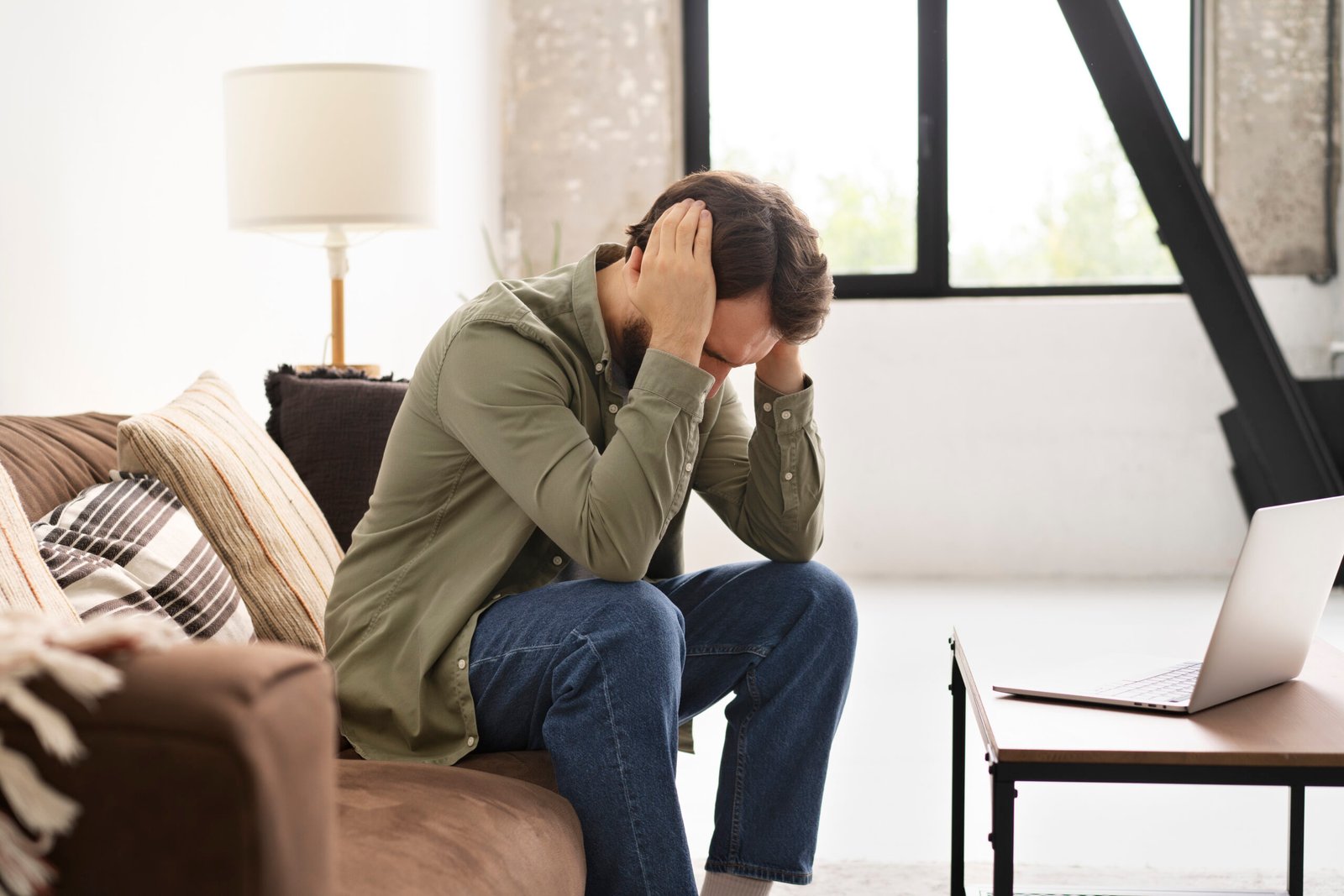
Effective Ways to Reduces Anxiety and Improve Your Mental Well-Being
Feeling anxious is an increasingly common challenge in today’s fast-paced, unpredictable world. Work pressures, social commitments, global uncertainties, and personal challenges can leave your mind racing, causing physical tension, irritability, and emotional exhaustion. The good news is that anxiety is manageable, and there are scientifically backed techniques that reduces anxiety, promote clarity, and improve overall well-being.
In this comprehensive guide, you’ll learn how to reduces anxiety through practical lifestyle changes, mindfulness practices, physical activity, and daily habits that create long-term resilience. This article is tailored for a global audience, offering insights that are relevant whether you’re in the U.S., India, or anywhere else in the world.
🌬️ The Science Behind Anxiety
Anxiety is a natural response to stress, activating the body’s “fight-or-flight” system. While occasional anxiety can be motivating, chronic anxiety triggers excessive cortisol release, increases heart rate, disrupts sleep, and can negatively affect immunity and mental clarity.
Why Reduces anxiety matters:
- Reduces physical symptoms like headaches, muscle tension, and digestive issues.
- Enhances emotional regulation and decision-making.
- Improves relationships by reducing irritability and reactivity.
- Boosts overall quality of life and productivity.
Understanding the biological and psychological mechanisms of anxiety makes it easier to implement effective strategies to reduce its impact.
🌬️ Deep Breathing and Breathwork Techniques
Breath control is one of the fastest ways to calm your nervous system. Deep breathing activates the parasympathetic nervous system, reducing heart rate, lowering blood pressure, and promoting a state of relaxation.
Proven Breathwork Techniques:
4-4-6 Breathing (Box Breathing Variant):
- Inhale through your nose for 4 seconds.
- Hold for 4 seconds.
- Exhale slowly for 6 seconds.
- Repeat for 5–10 minutes.
Diaphragmatic Breathing:
- Lie down or sit comfortably.
- Place one hand on your chest and one on your belly.
- Inhale deeply, feeling your abdomen expand, not your chest.
- Exhale slowly.
Alternate Nostril Breathing (Nadi Shodhana):
- Close one nostril, inhale deeply, switch, and exhale.
- Repeat for 5–10 minutes to balance the nervous system.
Benefits:
- Reduces anxiety instantly in stressful moments.
- Improves focus and mental clarity.
- Supports emotional regulation during difficult conversations or tasks.
🧘 Mindfulness and Meditation
Mindfulness and meditation are backed by decades of research showing their ability to reduces anxiety and enhance well-being. Mindfulness encourages awareness of the present moment and acceptance of thoughts without judgment.
Practical Tips to Practice Mindfulness:
- Short Daily Sessions: Start with 5–10 minutes a day. Gradually increase as you build consistency.
- Guided Meditation: Apps like Calm, Headspace, and Insight Timer provide structured exercises for anxiety reduction.
- Mindful Observation: Focus on daily activities like brushing your teeth, washing dishes, or walking, noticing every sensation.
- Body Scan Meditation: Slowly focus on each part of your body to release tension and promote relaxation.
Scientific Insight: Regular mindfulness practice has been shown to reduce gray matter density in the amygdala—the part of the brain associated with stress—while increasing prefrontal cortex activity, which improves emotional regulation.
🏃 Exercise as a Natural Reduces Anxiety
Physical activity is a cornerstone of mental health. Exercise triggers the release of endorphins, natural chemicals that enhance mood and alleviate stress. Regular activity also reduces cortisol levels, improves sleep, and strengthens resilience against anxiety triggers.
Types of Exercise That ReduceS Anxiety:
- Aerobic Exercise: Running, brisk walking, swimming, or cycling for 30–60 minutes can boost mood.
- Yoga and Stretching: Combines movement with breathwork for dual physical and mental relaxation.
- Strength Training: Builds resilience and provides a sense of empowerment.
- High-Intensity Interval Training (HIIT): Short bursts of intense activity help regulate stress hormones and release tension.
Pro Tip: Even 15–20 minutes of moderate exercise daily can produce noticeable reductions in anxiety levels over time.
📝 Journaling and Thought Management
Journaling is a practical technique to release anxious thoughts and gain perspective. Writing allows you to externalize stress, clarify emotions, and identify triggers.
Effective Journaling Techniques:
- Daily Reflection: Write down events that caused stress and how you responded.
- Worry Dump: List all worries for the day, then note actionable solutions for each.
- Gratitude Journaling: Identify 3–5 things you’re grateful for each day to shift focus from anxiety to positivity.
- Visualization Exercises: Write about ideal outcomes or a calm, happy scenario to train the mind toward positive thinking.
- Benefit: Regular journaling has been shown to reduce anxiety symptoms, improve mood, and strengthen emotional intelligence.
☕ Nutrition and Lifestyle Habits That Reduce Anxiety
What you eat and drink plays a crucial role in how your body responds to stress. Certain foods and lifestyle choices can either exacerbate or reduce anxiety.
Helpful Nutrition Tips:
- Limit Caffeine and Sugar: High caffeine or sugar intake can increase heart rate and jitteriness. Opt for herbal teas like chamomile, green tea, or peppermint.
- Balanced Diet: Include complex carbohydrates, lean protein, omega-3 fatty acids, and magnesium-rich foods.
- Hydration: Dehydration can intensify stress and fatigue.
- Avoid Alcohol and Smoking: These substances may provide temporary relief but worsen anxiety in the long term.
Lifestyle Adjustments:
- Prioritize sleep (7–9 hours) to allow mental restoration.
- Maintain consistent daily routines to reduce unpredictability.
- Use time management techniques to prevent overwhelm.
🌳 The Calming Power of Nature
Spending time in natural environments has profound effects on anxiety and stress reduction. Studies show that exposure to greenery lowers cortisol levels, reduces blood pressure, and improves mood.
Ways to Connect with Nature:
- Take a daily walk in parks, gardens, or near water bodies.
- Sit quietly and observe natural surroundings, practicing mindful observation.
- Engage in gardening or outdoor hobbies.
- If outdoor access is limited, indoor plants can improve air quality and mental well-being.
Pro Tip: Combine nature exposure with breathing exercises for a double effect in reducing anxiety.
🧩 Other High-Impact Strategies to Reduces Anxiety
Beyond basic habits, consider these advanced techniques to reduces anxiety effectively:
- Progressive Muscle Relaxation (PMR): Systematically tense and release each muscle group to relieve tension.
- Cognitive Behavioral Therapy (CBT) Techniques: Challenge negative thoughts and replace them with rational, positive alternatives.
- Aromatherapy: Essential oils like lavender, sandalwood, or bergamot can reduce anxiety.
- Digital Detox: Limit exposure to social media and news to prevent information overload.
- Creative Outlets: Painting, music, or writing can help release pent-up stress.
🧘 Daily Routine Blueprint to Reduce Anxiety
To maximize effectiveness, integrate multiple strategies into a consistent daily routine:
Morning:
- 10 minutes of deep breathing or meditation
- Healthy breakfast with omega-3s and whole grains
- Light exercise or stretching
Afternoon:
- Short mindfulness breaks during work
- Hydration and balanced lunch
- Journaling or reflection for 5–10 minutes
Evening:
- 30-minute walk in nature or indoor yoga
- Disconnect from screens 1 hour before bed
- Gratitude journaling to end the day positively
❓ 10 Frequently Asked Questions (FAQs) About Reduces Anxiety
1. What is the fastest way to reduces anxiety?
Deep breathing and mindfulness exercises can calm the nervous system within minutes.
2. Can diet influence anxiety levels?
Yes, a balanced diet rich in omega-3s, magnesium, and vitamins supports mental health, while excess caffeine, sugar, and alcohol can worsen anxiety.
3. How long does it take to notice improvement?
Consistent practice of multiple strategies typically shows noticeable improvement within 2–6 weeks.
4. Does exercise really help with anxiety?
Yes, regular physical activity releases endorphins, reduces cortisol, and improves mood.
5. Can journaling reduces anxiety permanently?
While it doesn’t “cure” anxiety, consistent journaling helps manage thoughts, track triggers, and reduce emotional overwhelm.
6. Is mindfulness effective for all ages?
Yes, mindfulness and meditation can benefit teenagers, adults, and seniors alike.
7. How often should I practice meditation to reduce anxiety?
Daily practice, even for 5–15 minutes, is highly effective. Consistency is more important than duration.
8. Can aromatherapy really reduces anxiety?
Certain essential oils like lavender have been shown to reduce stress and improve sleep quality.
9. How can nature help reduces anxiety in urban environments?
Even brief exposure to greenery, indoor plants, or parks can reduce stress hormone levels and improve mood.
10. Can combining multiple strategies improve results?
Yes, integrating breathwork, exercise, mindfulness, nutrition, and journaling maximizes anxiety reduction and overall well-being.
🏁 Conclusion
Anxiety is a natural part of life, but it doesn’t have to control your daily experiences. By applying evidence-based techniques that reduce anxiety, such as deep breathing, mindfulness, exercise, journaling, nutrition, and nature exposure, you can create a calmer, more balanced life.
The key is consistency. Small daily practices compound over time, leading to significant improvements in mental clarity, emotional resilience, and overall well-being. Start today with one or two techniques and gradually build a personalized routine to reduce anxiety and enhance your quality of life.
Call to Action:
Which anxiety-reducing techniques work best for you? Share your tips, routines, or favorite practices in the comments and help others cultivate calm and balance.